
Science Friday
Канал маалыматтары
Science Friday
Covering the outer reaches of space to the tiniest microbes in our bodies, Science Friday is the source for entertaining and educational stories about science, technology, and other cool stuff.
Жаңы эпизоддор
1359 эпизод
Hold the lettuce: Updates on the 'explosive' cyclospora outbreak
An outbreak of the foodborne illness cyclosporiasis has sent thousands of people running to the bathroom this summer. Health officials have linked the...
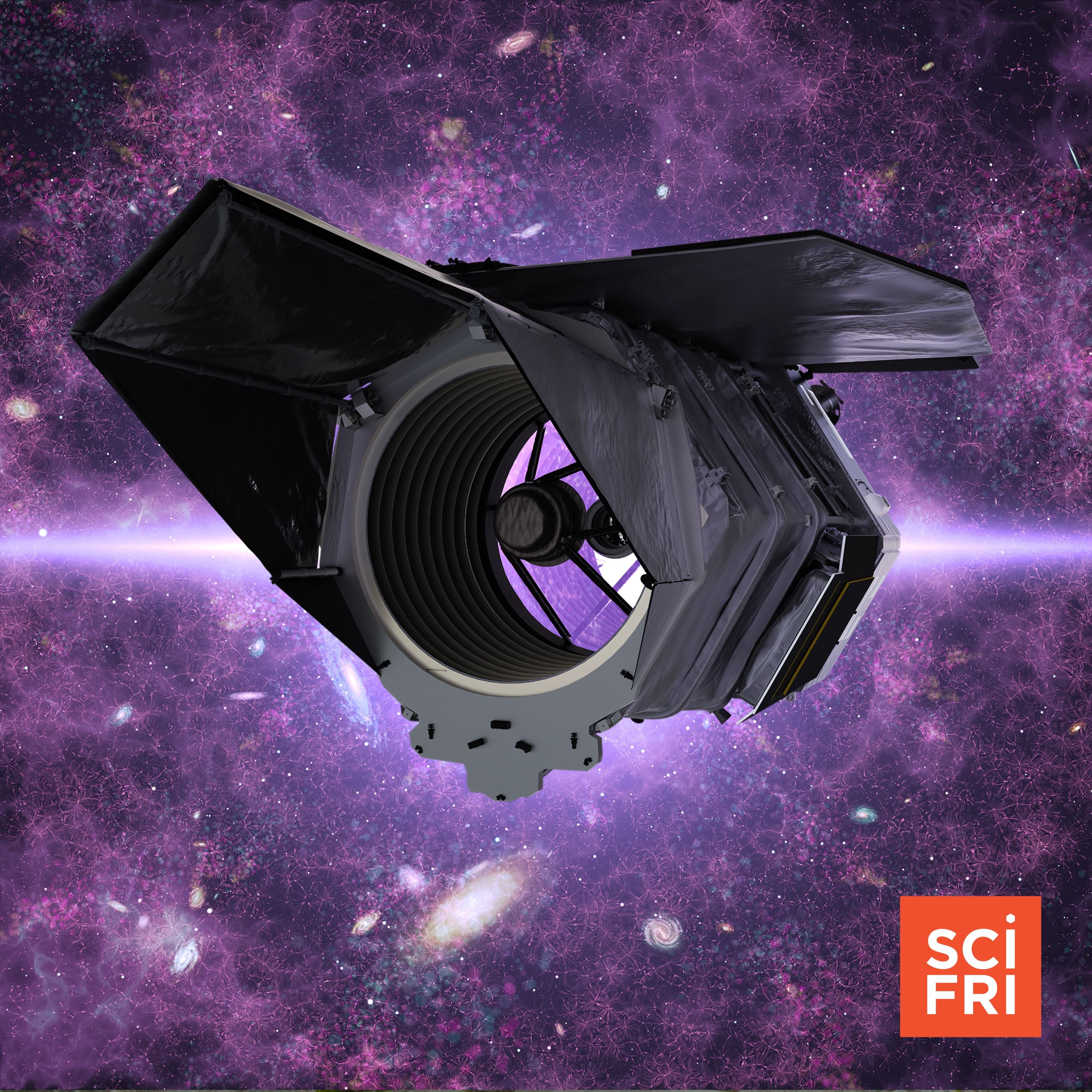
A space telescope launch + Alvin submersible check-up
The Nancy Grace Roman Space Telescope is scheduled for an early launch at the end of August. It will rest about a million miles from Earth at Lagrange...
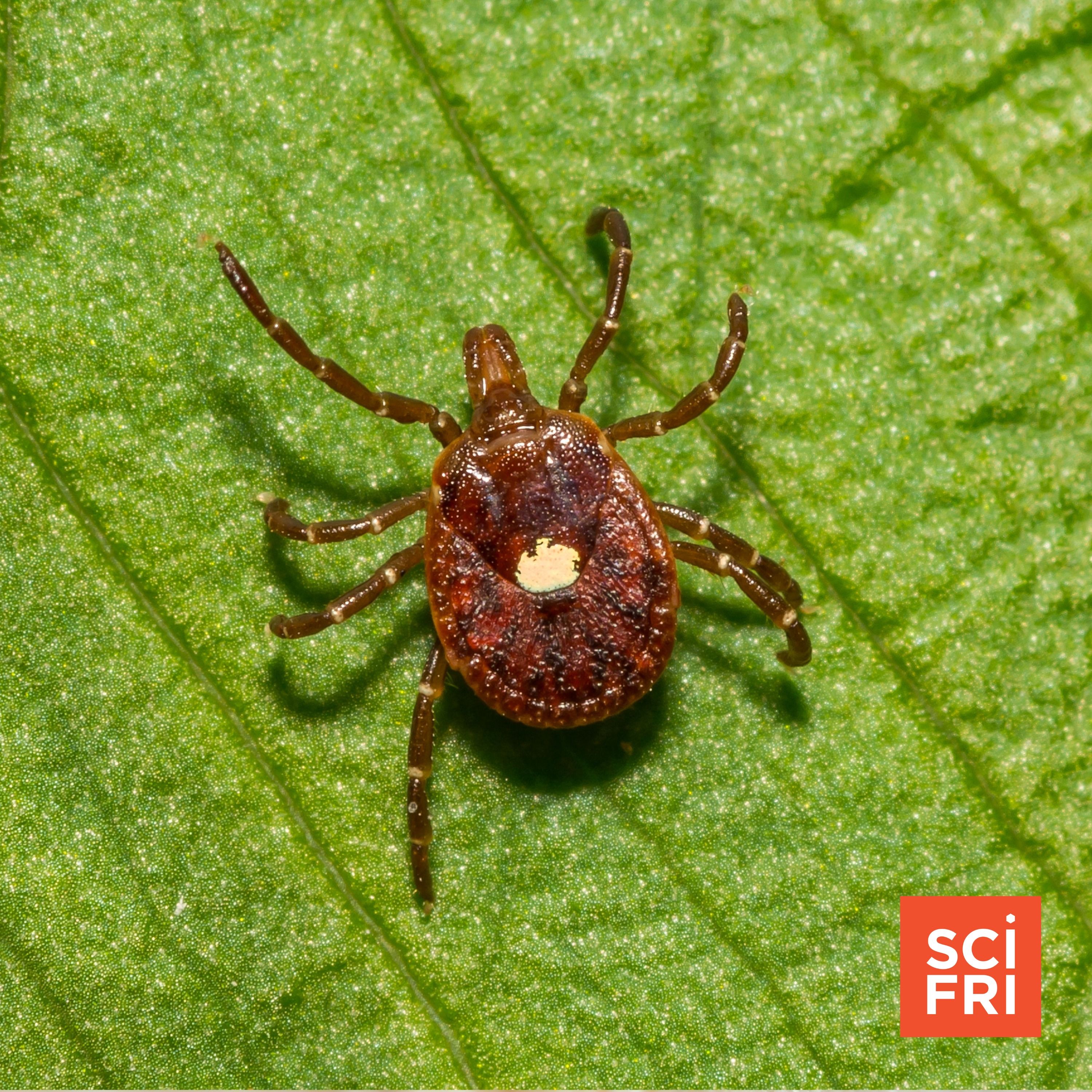
How does a tick bite cause a red meat allergy?
For two decades, a perplexing illness has been spreading: After a lone-star tick bite, people find themselves with a severe allergic reaction to red m...
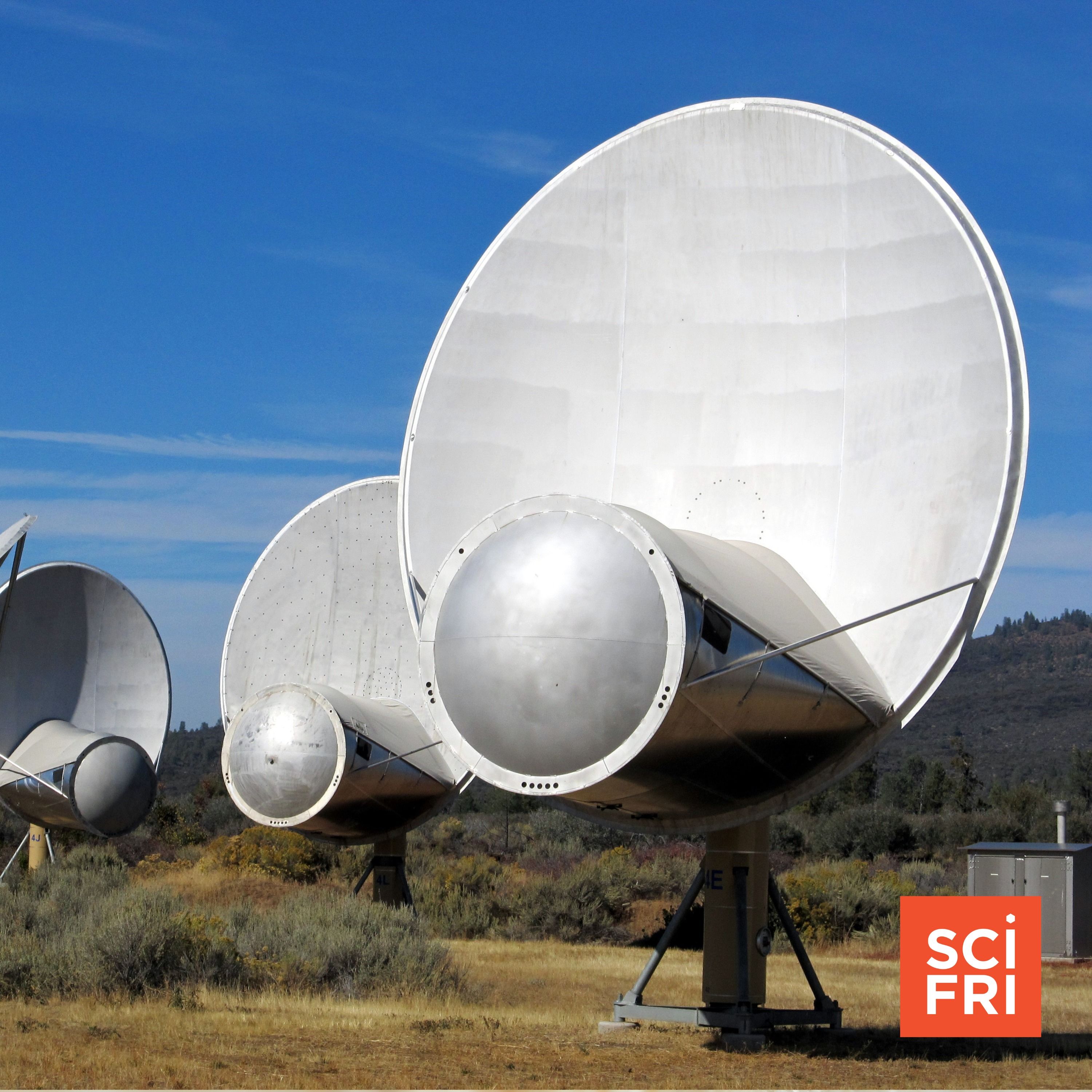
What will our reaction be when we discover aliens?
One of the most irresistible questions in sci-fi stories about aliens is what our reaction will be when we learn of their existence. Horror? Bewilderm...
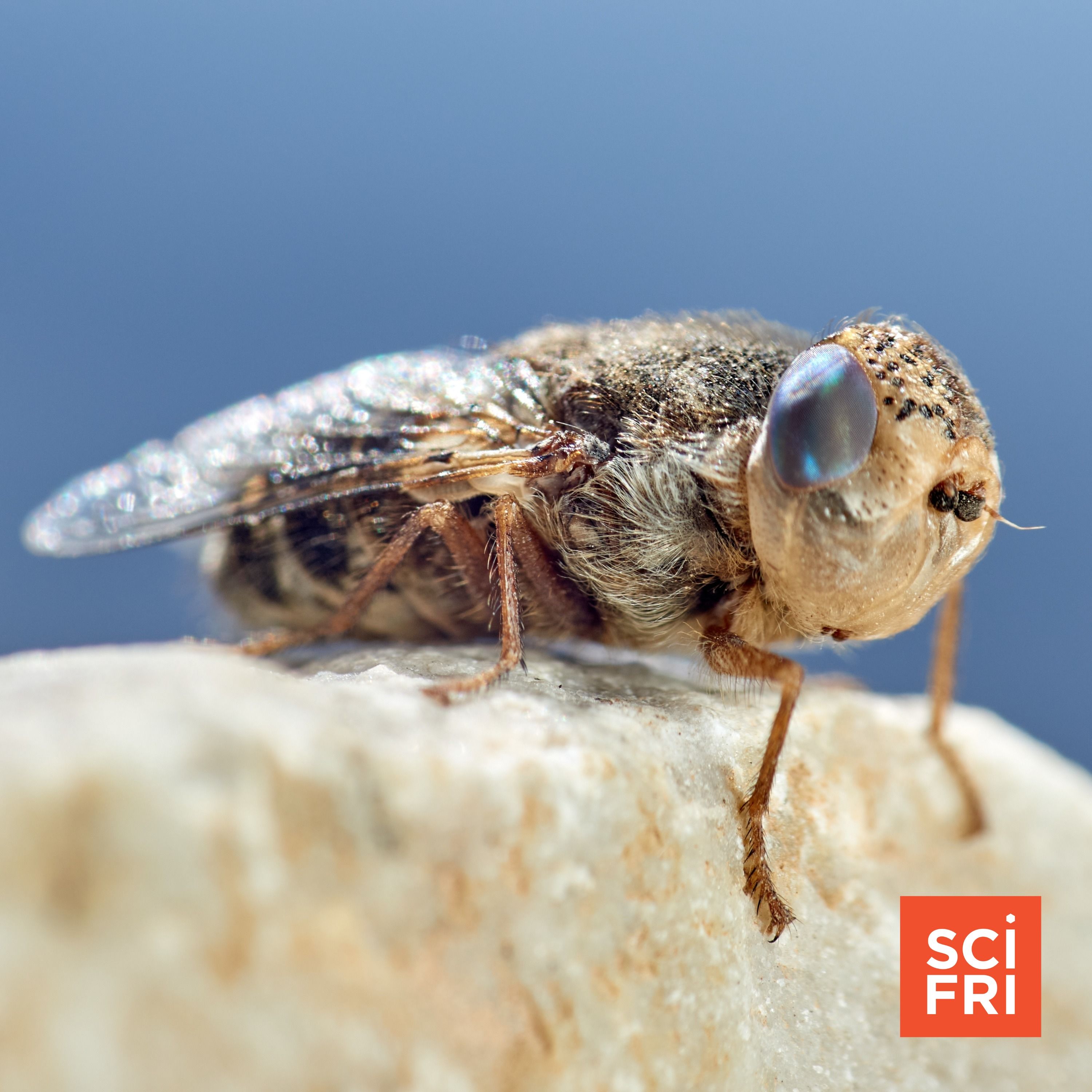
Beautiful botflies, luscious leeches, and the wonder of parasites
Dino Martins has plucked maggots out of a dead elephant, pulled botflies out of camel snot, and willingly let a horsefly feast on him. Why? Because he...
China's booming biotech, from a brain implant to drug discovery
In March, China became the first country to approve an invasive brain-computer interface beyond clinical trials. The implant, called NEO, is now avail...

Reconnecting with the night sky and reining in light pollution
What happens when the skies are no longer dark at night? Writer Craig Childs biked from the brightest night sky, to the darkest, to find out what we l...
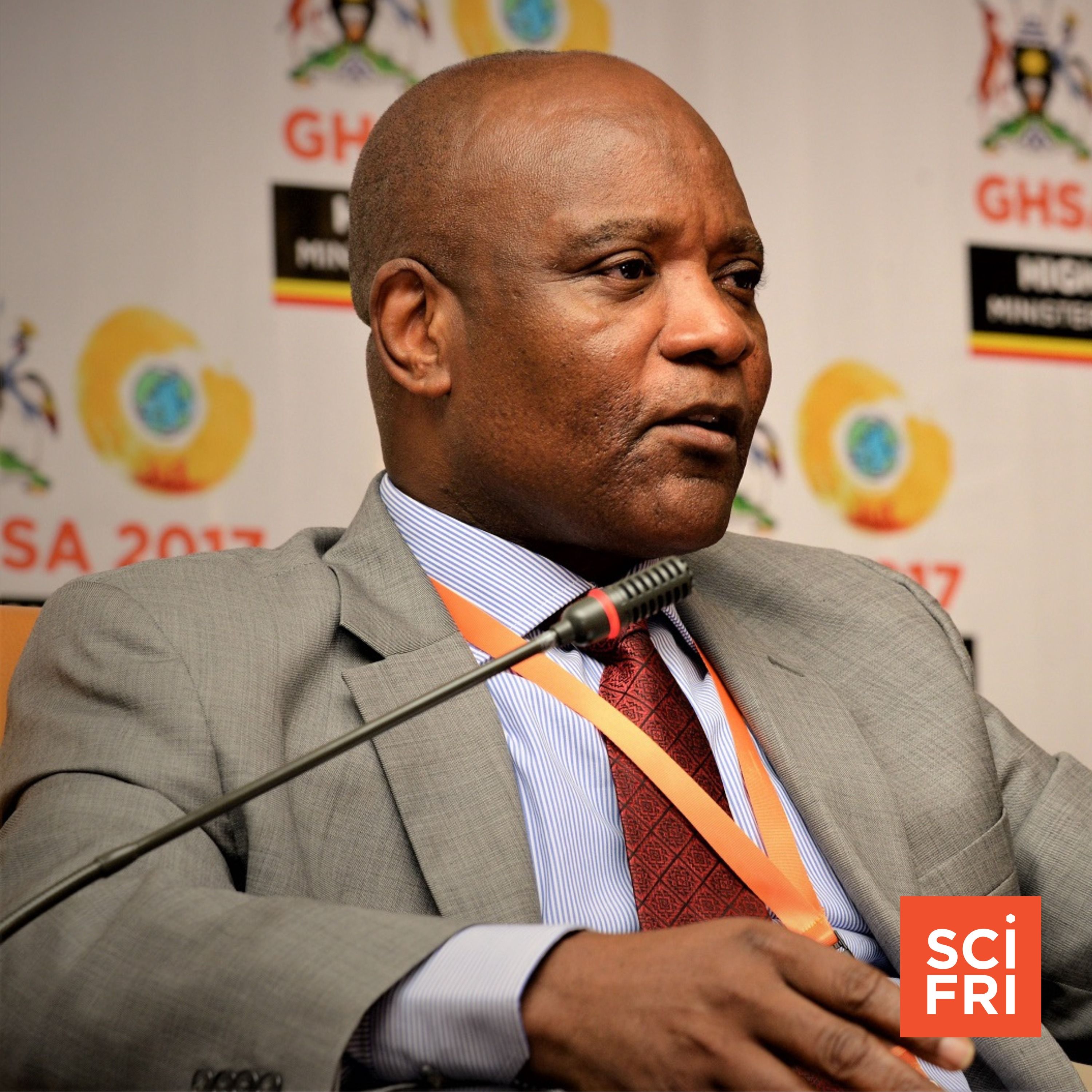
Amid shifting politics, can we build stable global health systems?
The ongoing Ebola outbreak in the Democratic Republic of Congo and Uganda has become the third-largest on record. And while the regional response is m...
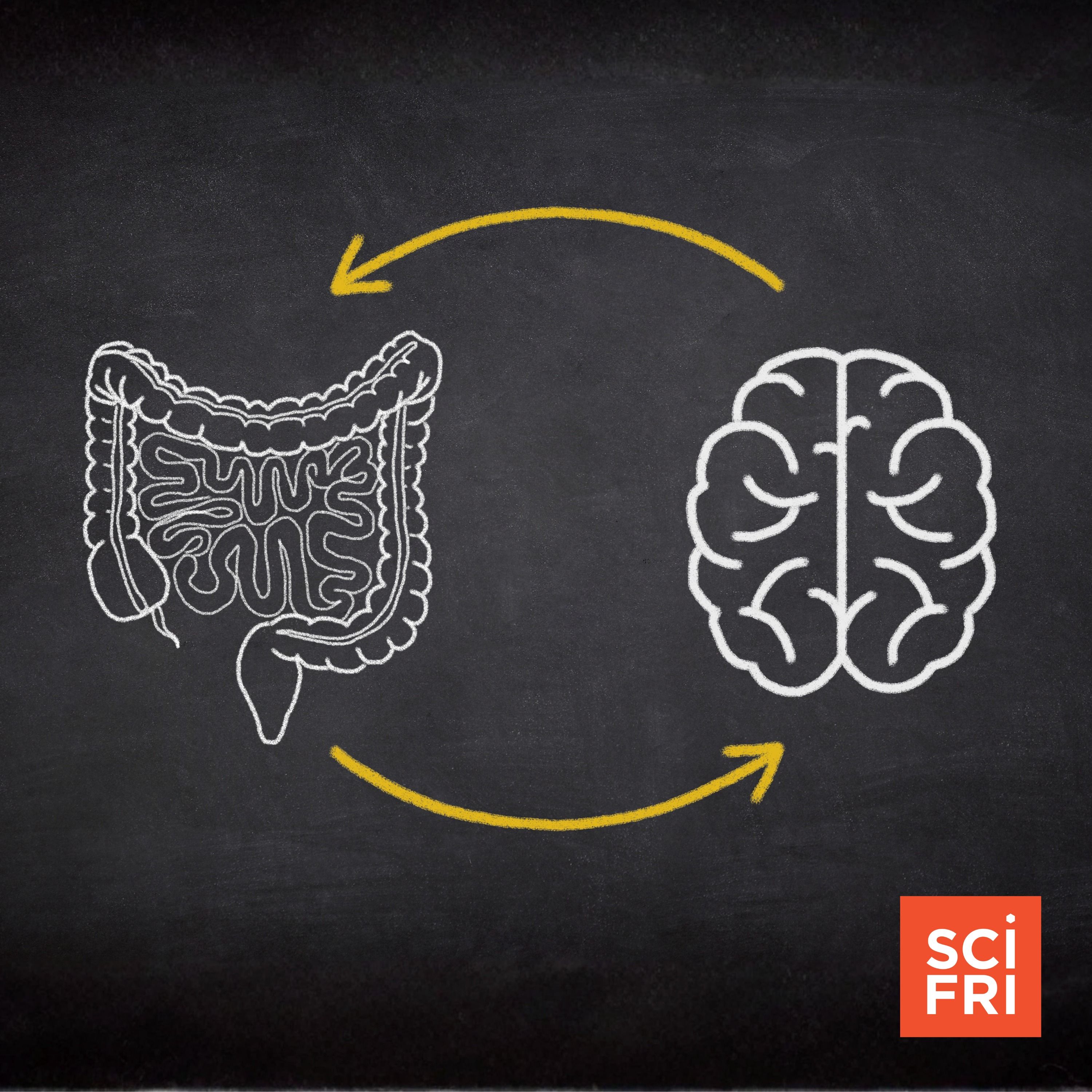
How does the gut-brain connection work?
Gut feelings, trusting your gut, butterflies: We have lots of expressions about how our brains and our bowels are intertwined. But how well do we unde...
Investigating ‘flow state’ with the bassist from Phish
The band Phish has toured for over 40 years. One of the draws of their legendary live shows—which can go on for 8 hours—is finding moments of “flow,”...

How the US patent system keeps drug prices high
Americans pay roughly three times as much for prescription meds as people in other wealthy nations. But why?
Tahir Amin argues it’s largely to d...
What was science like in America 250 years ago?
If you hear “colonial America” and “science,” one name probably comes to mind: Benjamin Franklin. But he wasn’t the only one thinking big thoughts and...
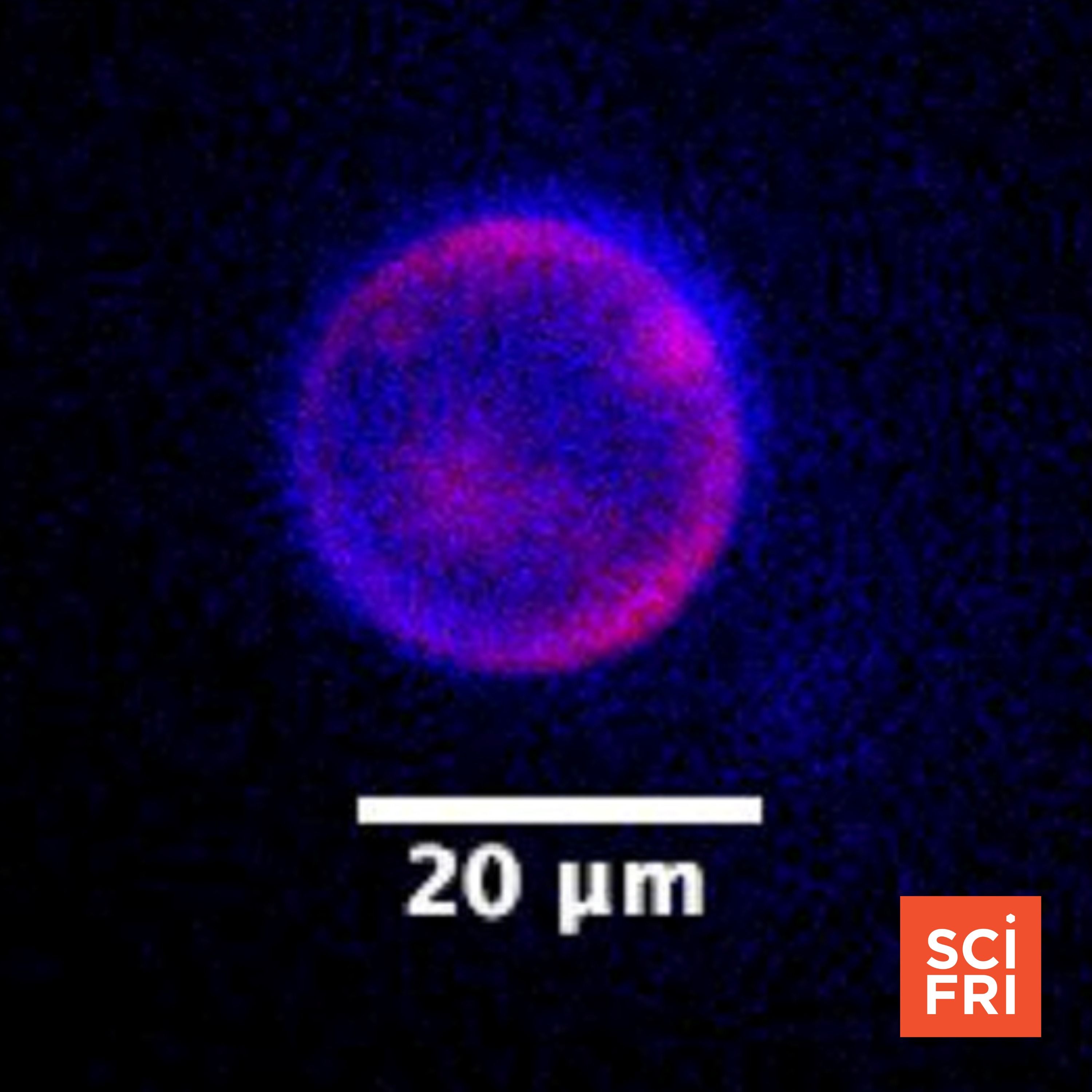
An artificial cell eats, grows, and reproduces. Is it alive?
Researchers have engineered an artificial cell out of chemicals and biomolecules that, at a basic level, can eat, grow, duplicate its own genetic code...
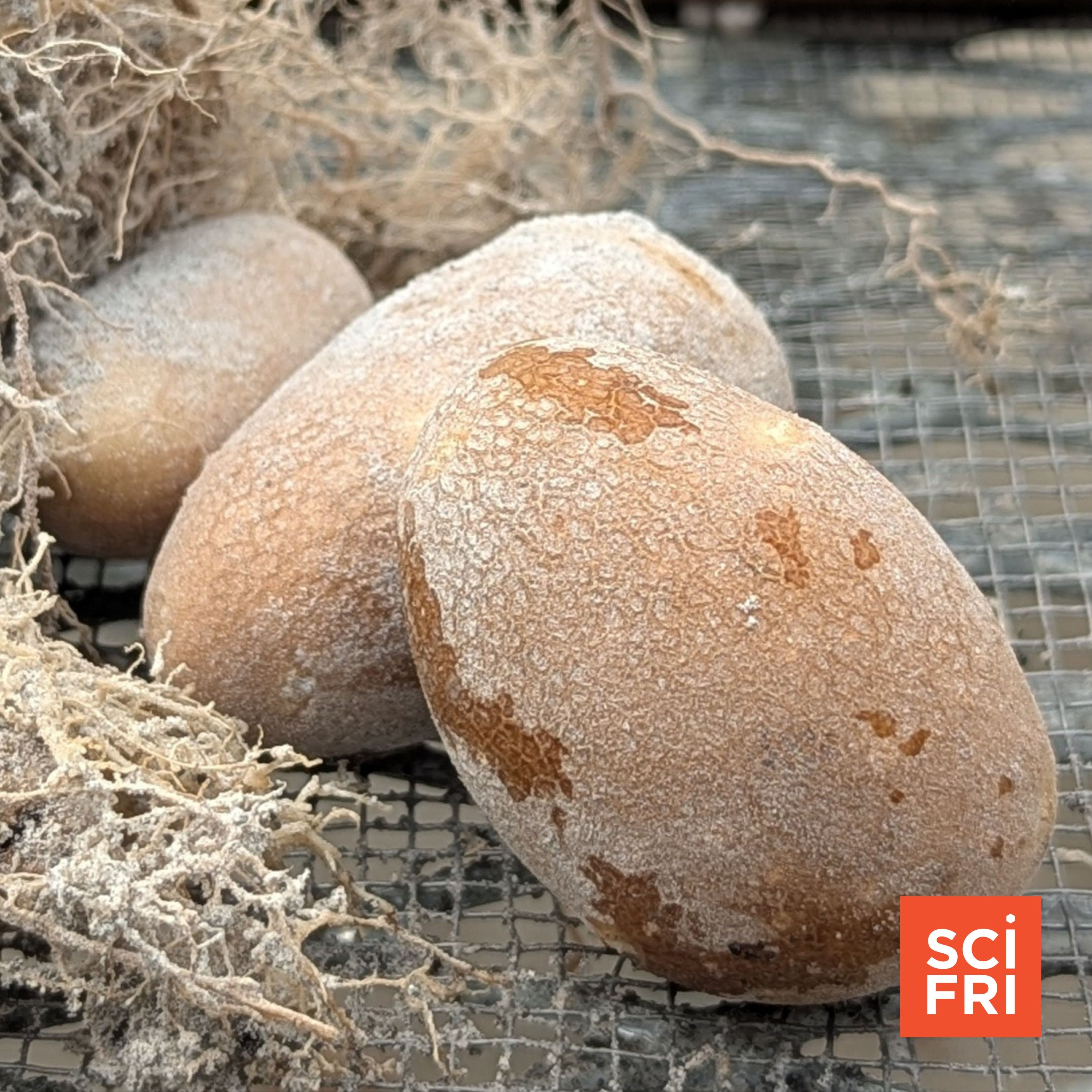
Growing lunar potatoes + Dealing with razor-sharp moon dust
Imagine this: You’re an astronaut, you’ve landed on the moon, and as you’re taking one small step for mankind, you kick up a bunch of lunar dirt. Now,...

Even Nobel Prize winners deal with imposter syndrome
Around 25 years ago, Ardem Patapoutian set out to investigate the fundamental biology behind our sense of touch. Through a long process of gene elimin...
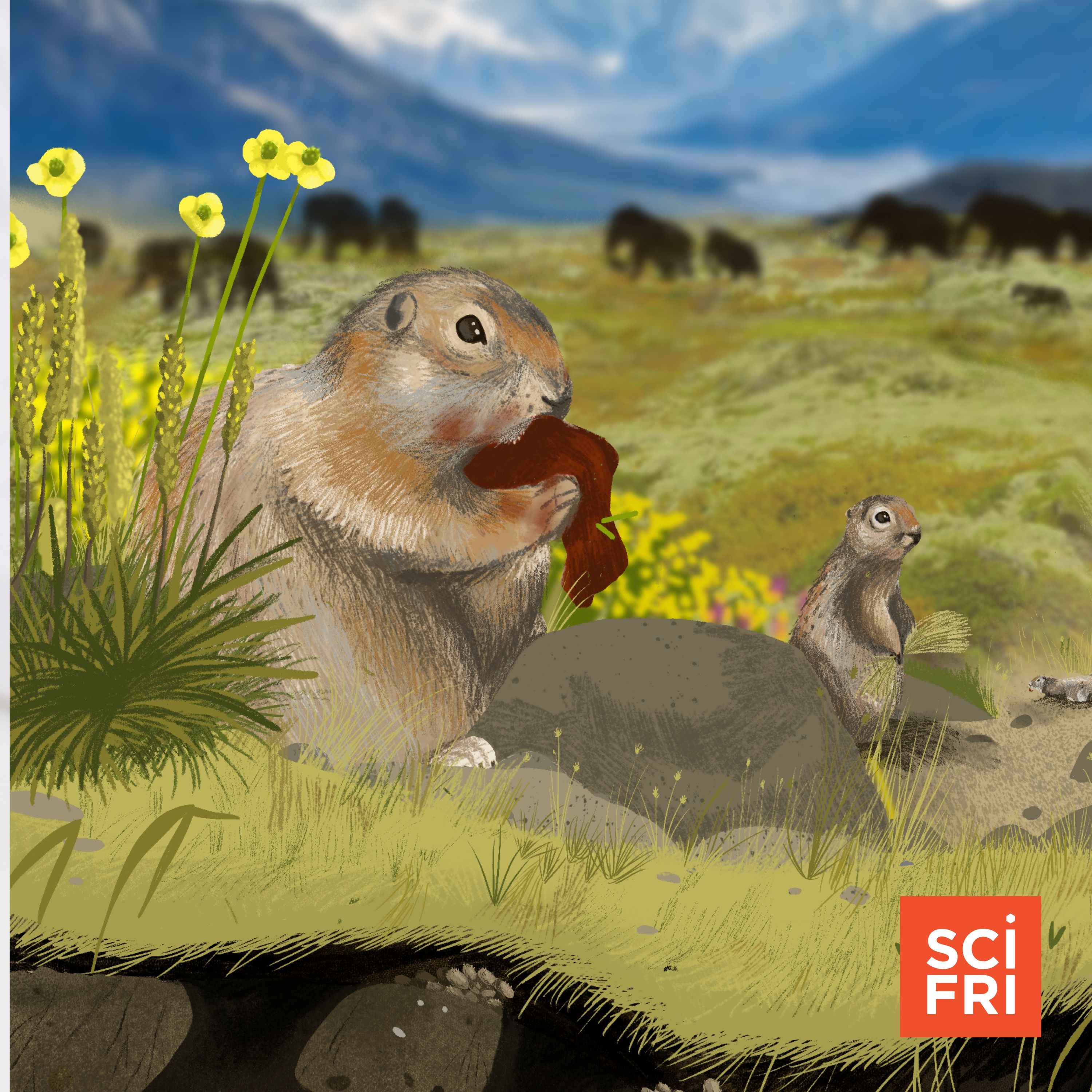
Squirrel poop drops Ice Age clues + The neuroscience of laughter
Hundreds of thousands of years ago, deep in the mountains of the Yukon, a ground squirrel pooped. That scat stayed frozen for millenia—until very rece...
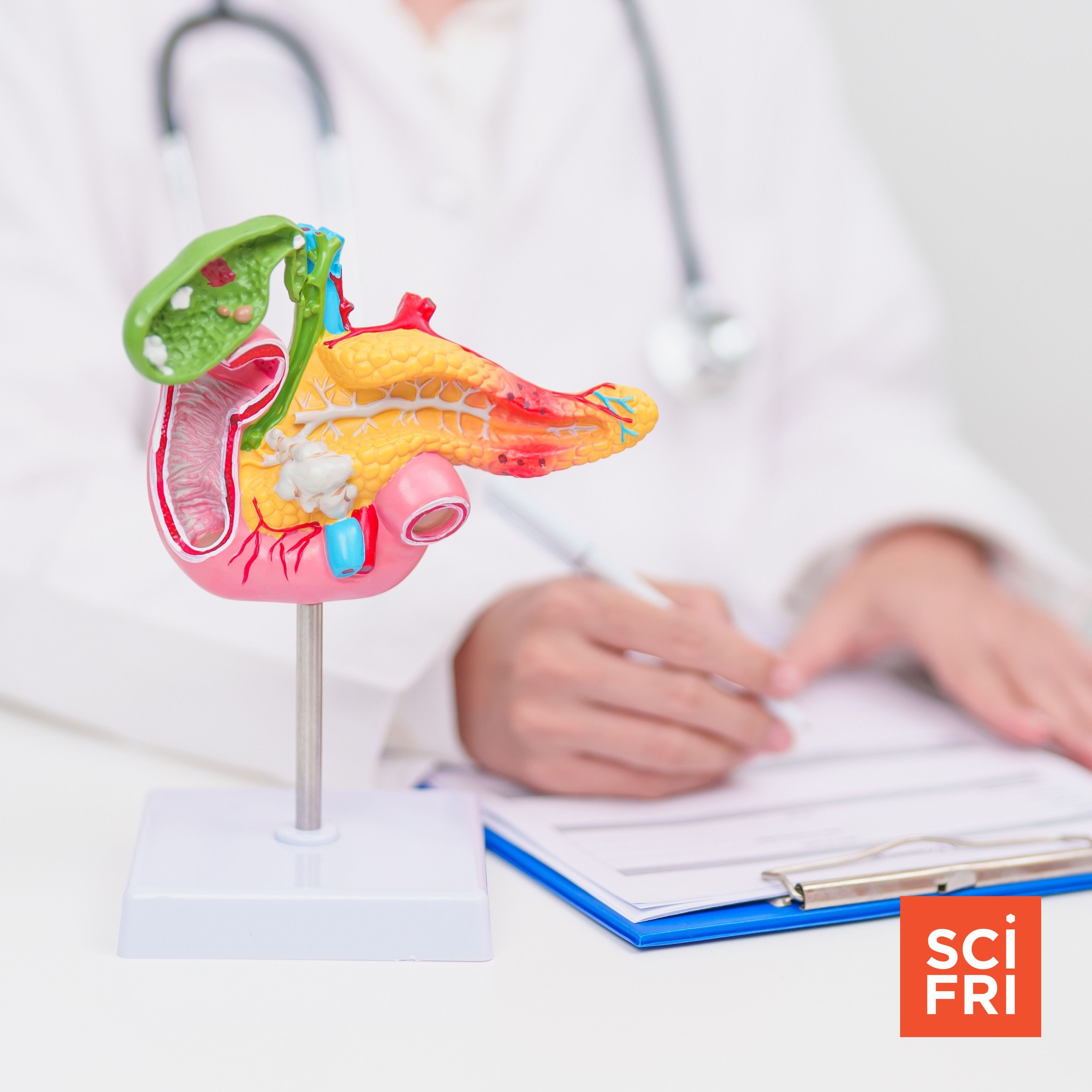
Promising new treatments for pancreatic cancer and ALS
Pancreatic cancer is among the most deadly forms of cancer, and it can be difficult to catch early. But there’s some good news: Clinical trials of a n...

That chlorine smell at the pool? It’s pee
On a hot summer day, there’s nothing better than a dip in a cold pool. But you know who can ruin that for you? A scientist who studies pool chemistry....

Under proposed rule, science funding must pass political review
The federal Office of Management and Budget (OMB) has proposed rule changes that would bring a major shift in how scientific grants are awarded by U.S...
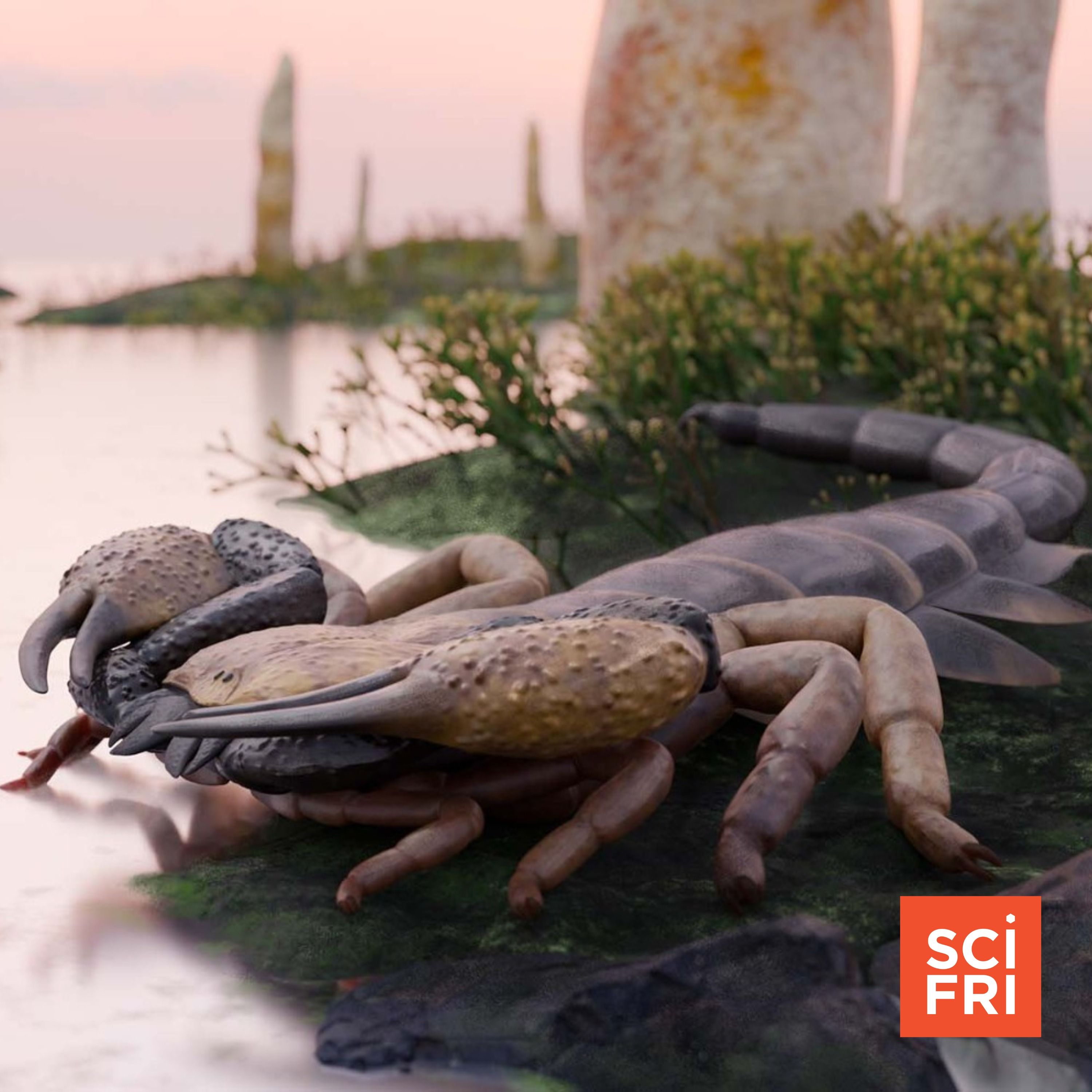
Can you learn to love the scorpion?
If you have arachnophobia, consider this your opportunity to try exposure therapy: A new study suggests that 415 million years ago, in modern-day Engl...
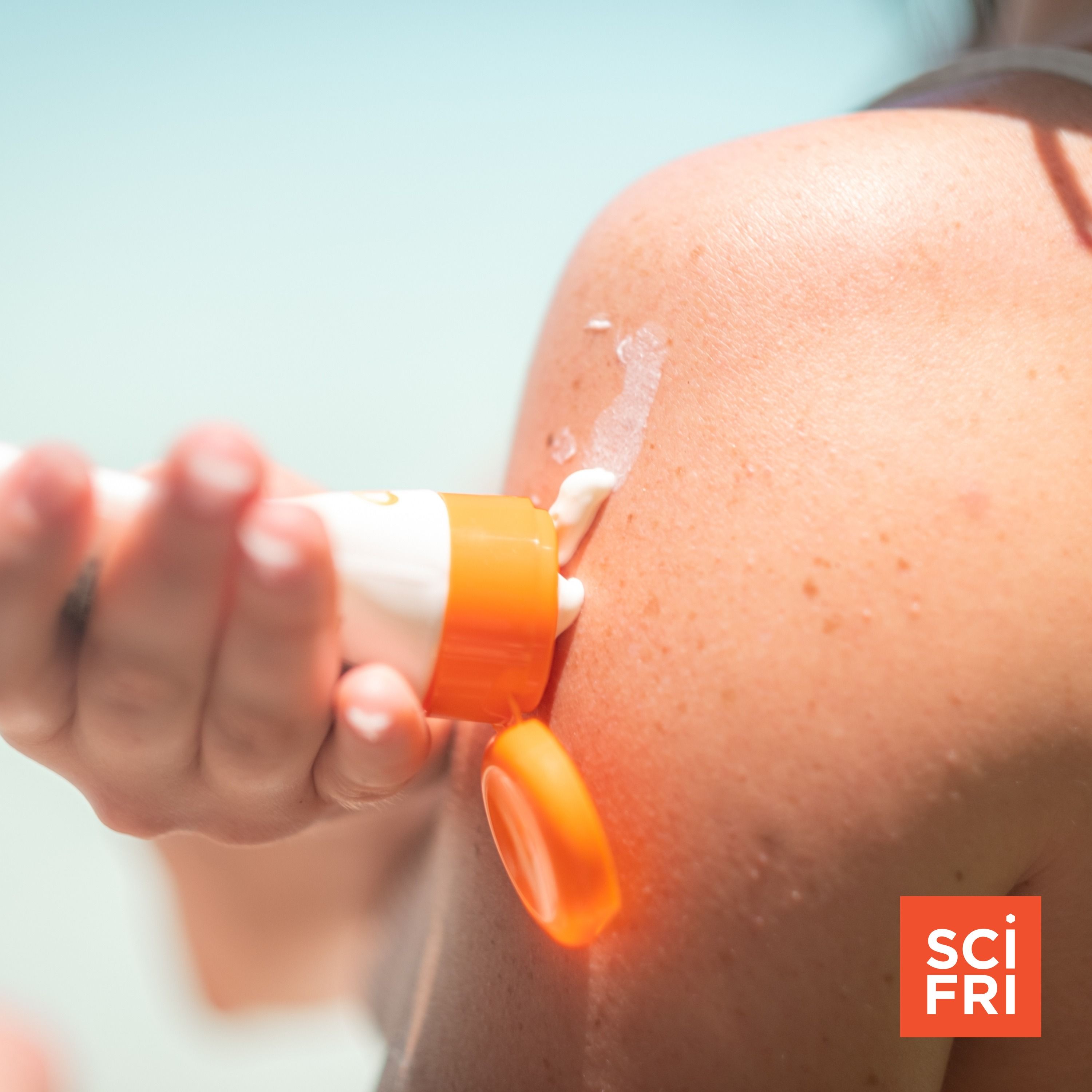
FDA approves a well-known sunscreen ingredient—finally
The FDA recently approved a sunscreen ingredient called bemotrizinol, or BEMT, that’s been used in Europe and Asia for years. This is the first new su...

Why do sports announcers talk like that?
If you watch sports, whether the recent NBA finals or the ongoing World Cup matches, you may have noticed that the athletes aren’t the only ones putti...
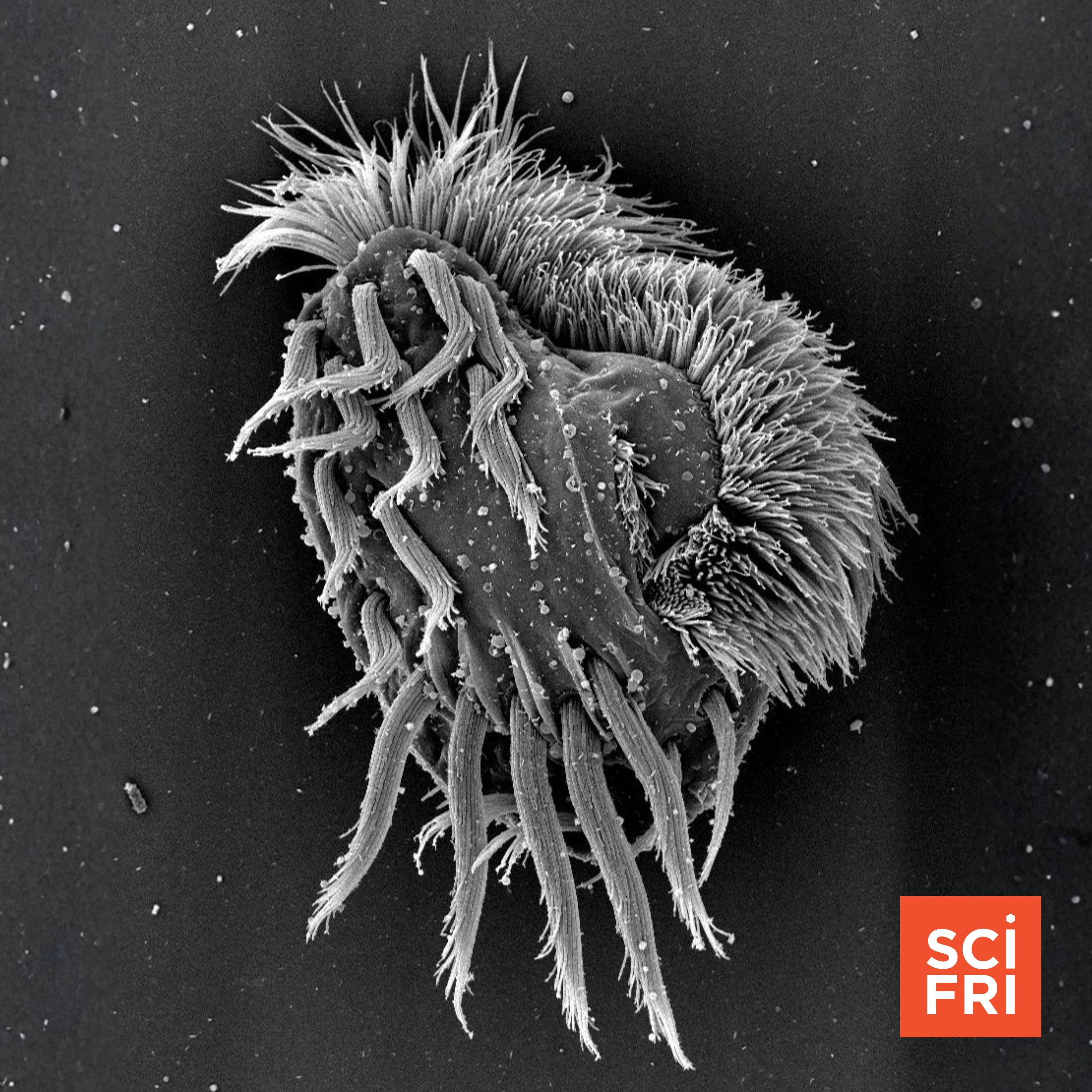
Swords, cannibalism, poison: inside the world of killer microbes
There is a murderous crime spree happening right under—and perhaps inside—our noses. Killer microbes armed with weapons are eviscerating, assassinatin...

When music transports you to a different place
Do you ever hear a song that transports you to a specific place and time? This auditory wormhole has a name: musical daydreams. Music cognition expert...
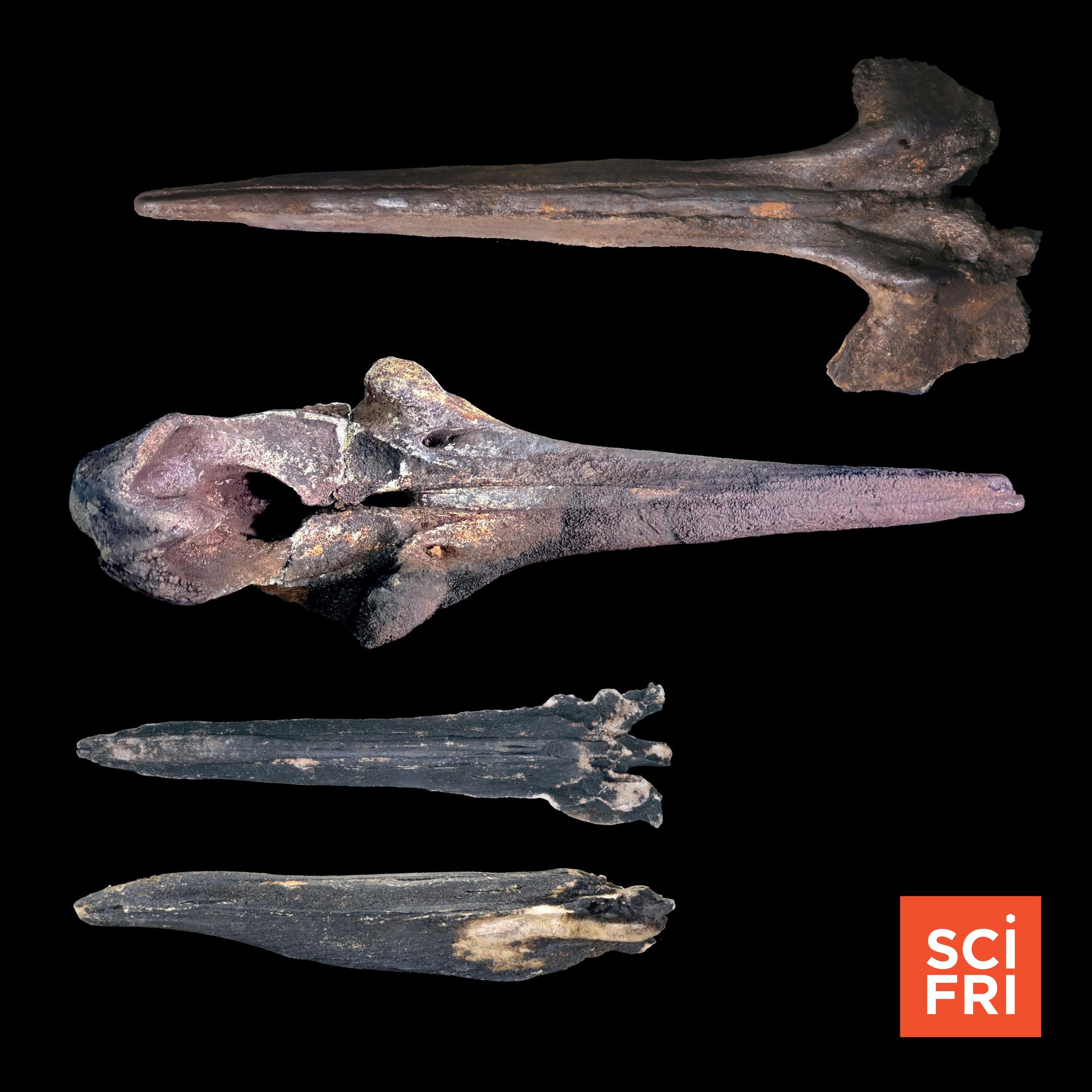
A vast whale graveyard + Zombie sea cucumbers
Researchers just published details of a massive undersea graveyard of whales deep in the Indian Ocean. Spanning about 1,200 kilometers (745 miles), it...
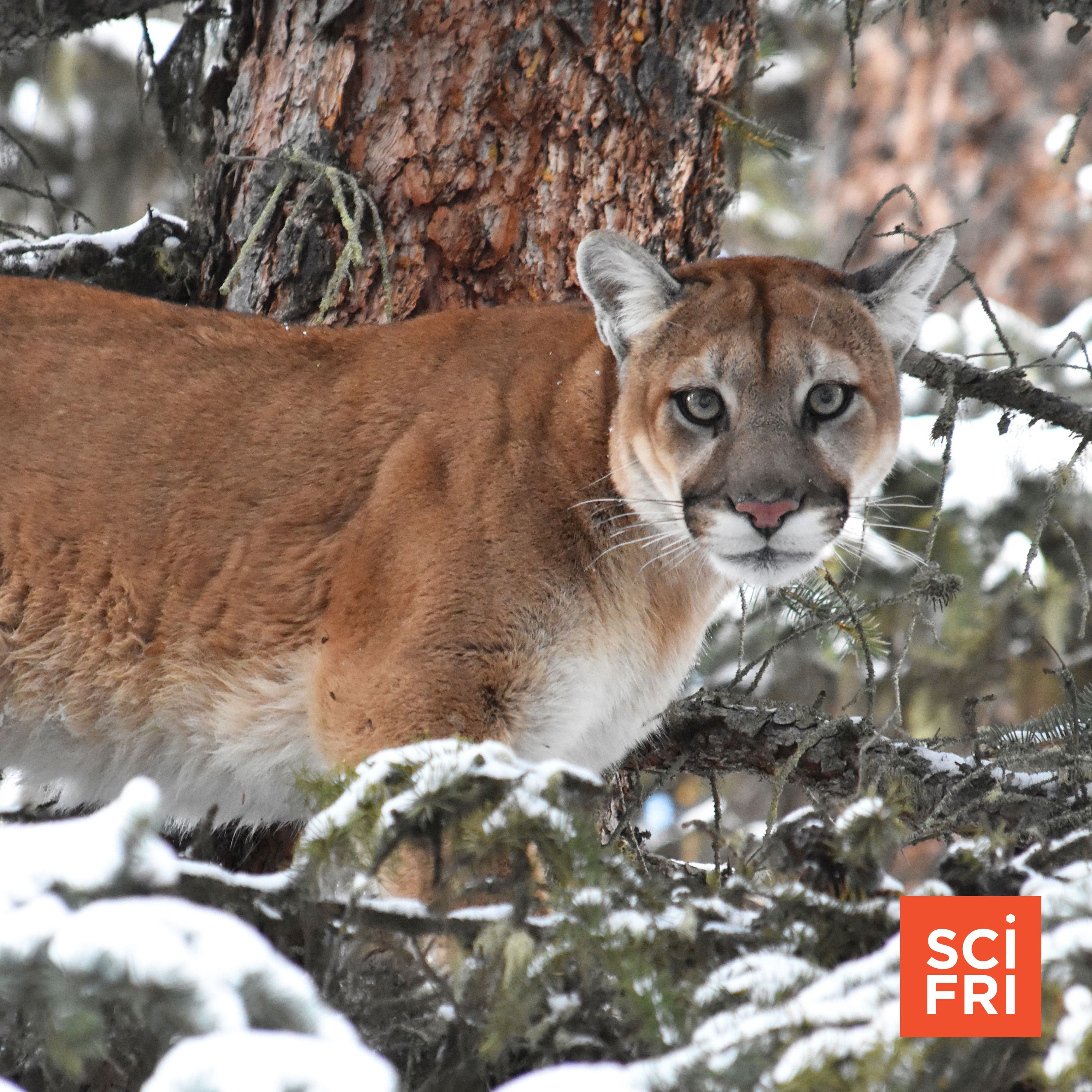
Should we bring mountain lions back to the Northeast?
Big cats used to roam the entire United States. You might know them as mountain lions, pumas, cougars, or catamounts. Though they go by many names, th...
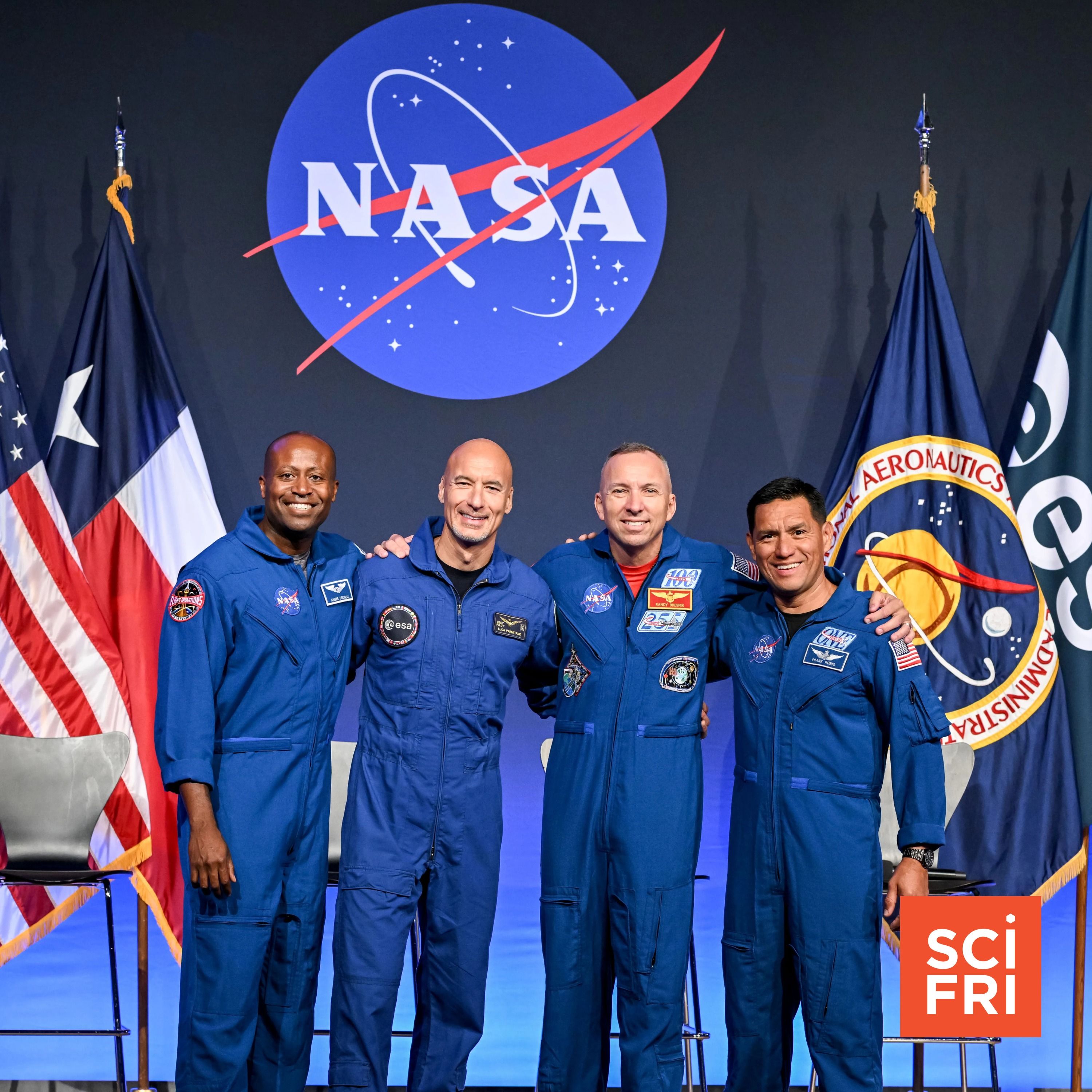
Blue Origin explosion hits NASA timeline + Artemis III crew
When Blue Origin’s New Glenn spacecraft exploded in an enormous fireball during a ground test a couple weeks ago, it sent shockwaves not only through...

Why can I handle tequila but not rum?
‘Tis the season for porch beers and happy hours, and we’re taking on listener questions about how alcohol affects us. Like, is a glass of wine at dinn...

AI + turfgrass science in the most high-tech World Cup yet
The 2026 World Cup will be the largest one yet, and FIFA is trying to make it the most high-tech, too. The federation has partnered with tech giant Le...

How extreme athletes like Alex Honnold keep their cool
Elite athletes spend a lot of time training their bodies for strength, endurance, coordination, and precision. But what about their brains? Can psycho...
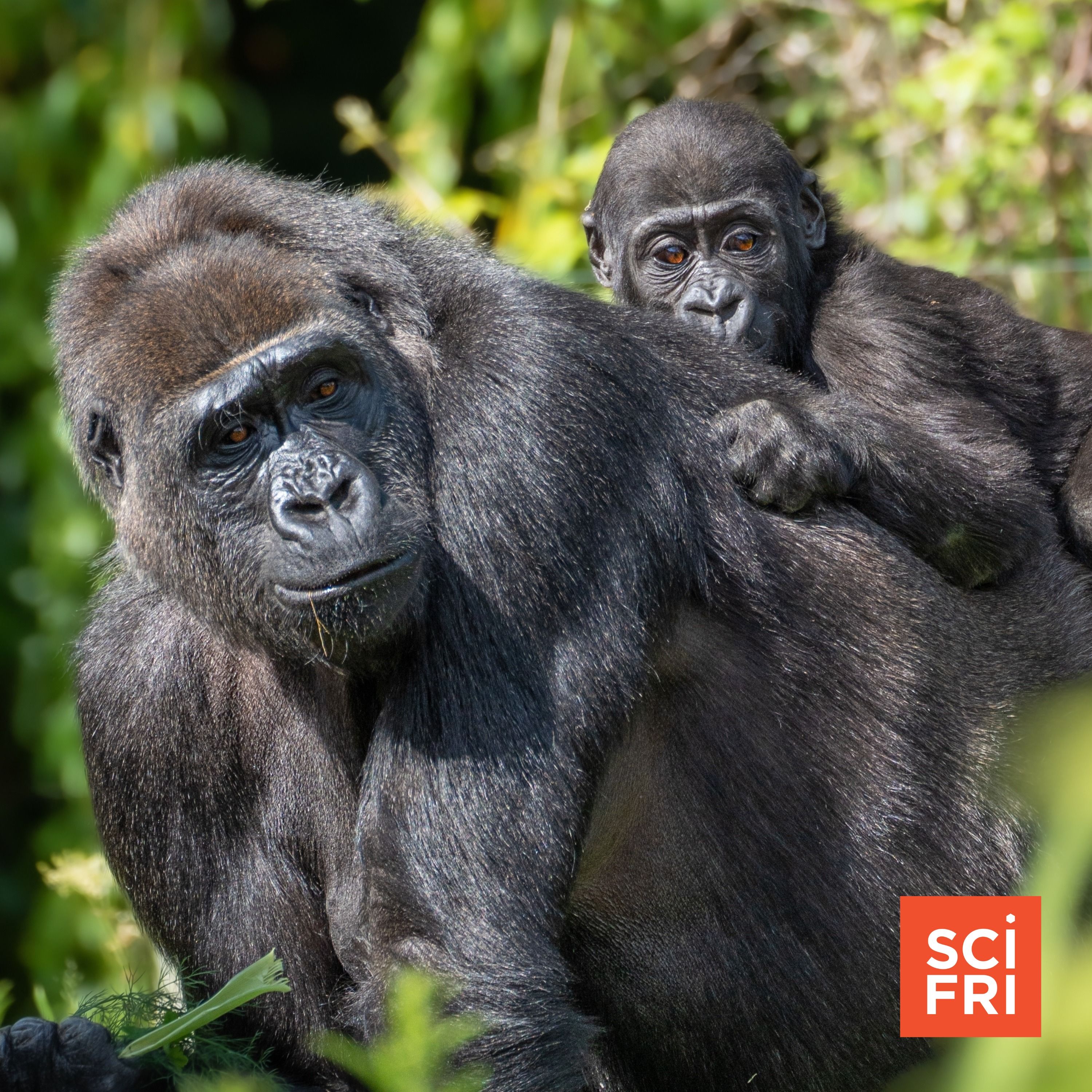
Parenting tips from the animal kingdom
If you’ve ever been a child, had a child, or seen a child face down in a supermarket aisle screaming, you know that parenting can be tough. But humans...
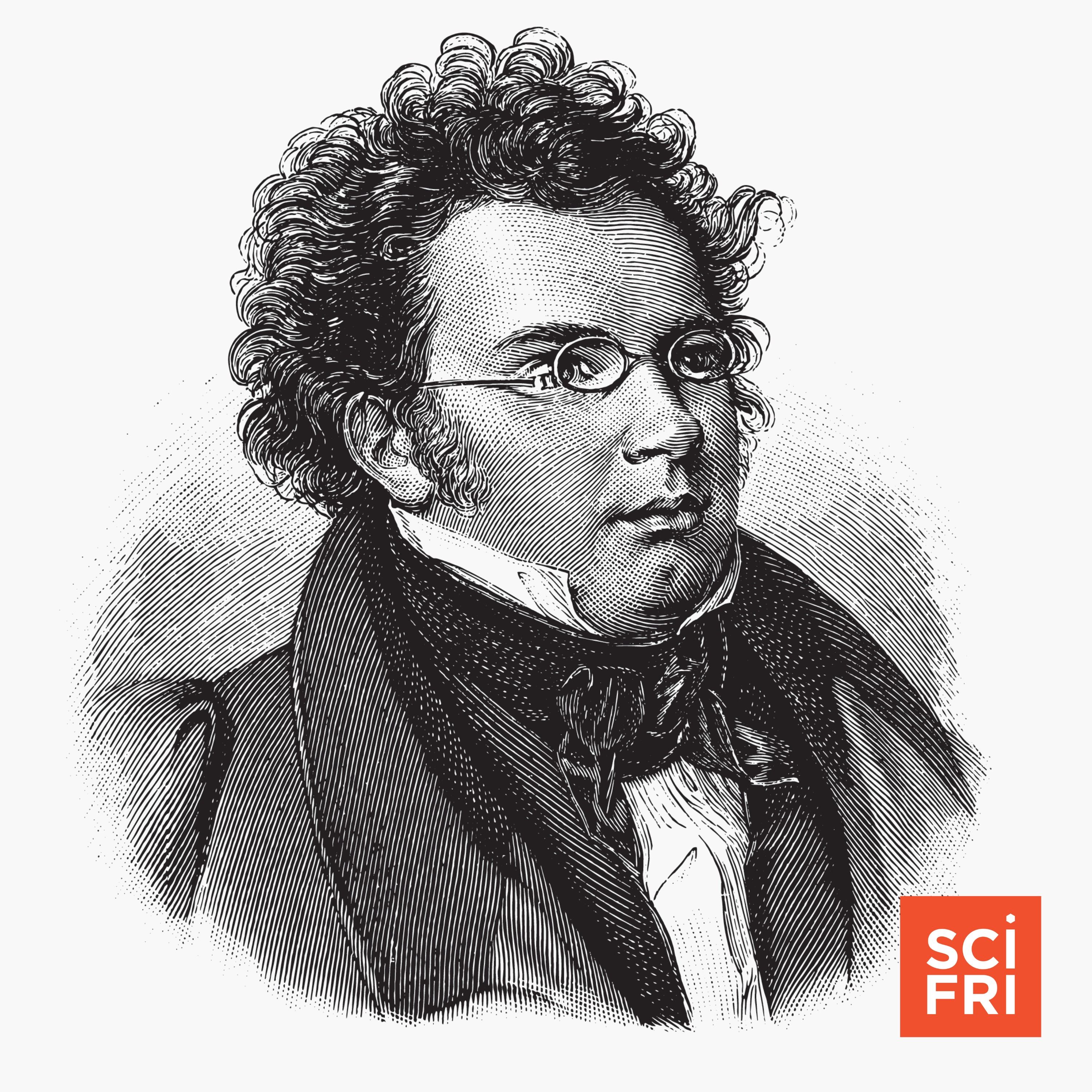
Wait, is my washing machine playing Schubert?
A few weeks ago, we talked to two sonic branding experts who compose music for household appliances. And we played for them a song “sung” by a washing...

A virus hunter in Nigeria has thoughts on the Ebola outbreak
The current Ebola outbreak in the Democratic Republic of the Congo and neighboring Uganda is caused by the Bundibugyo virus. There’s no specific treat...
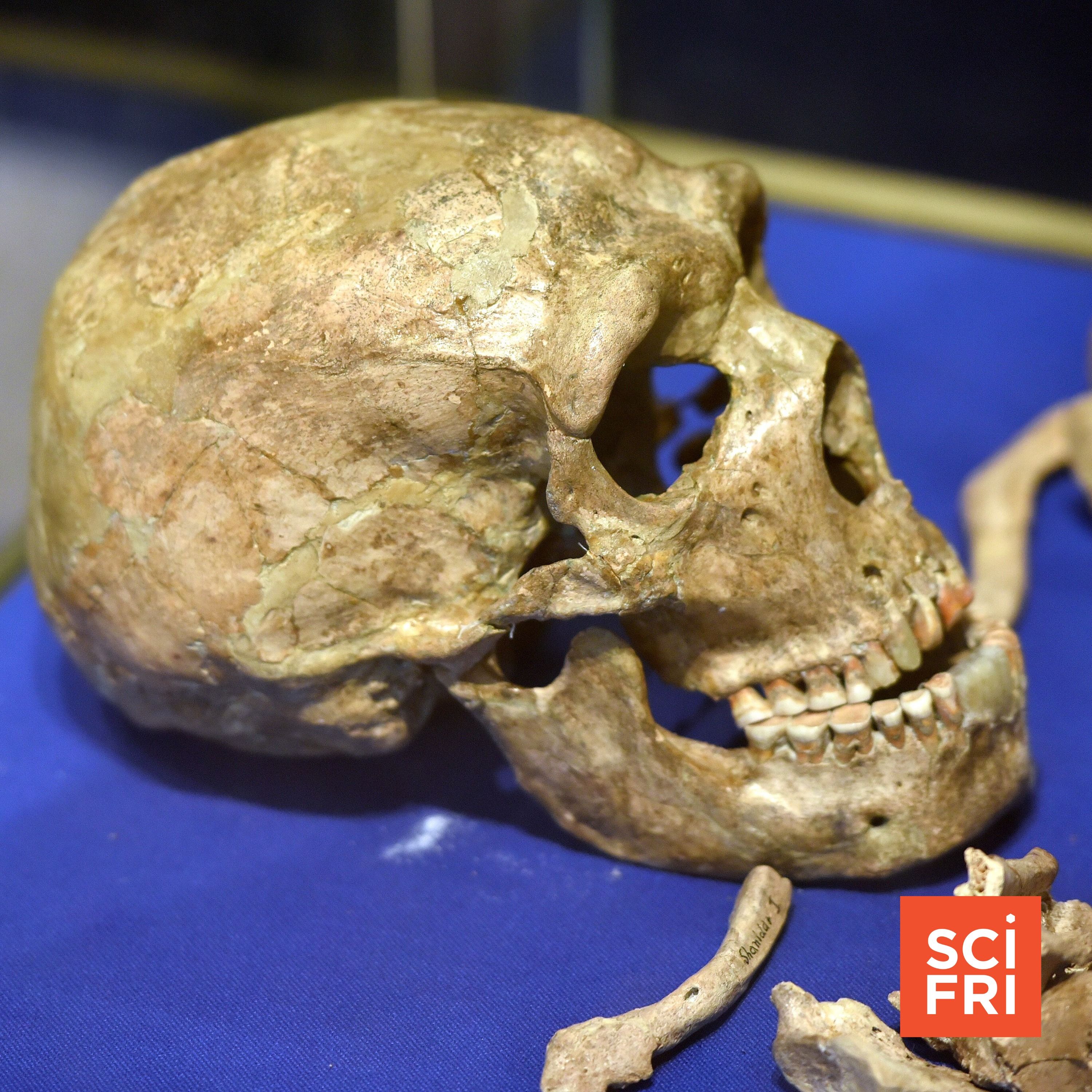
How did Neanderthals deal with illness and injuries?
If you look up where medicine originated, or the earliest medical interventions, you’ll probably find yourself reading about ancient Greece or Egypt o...
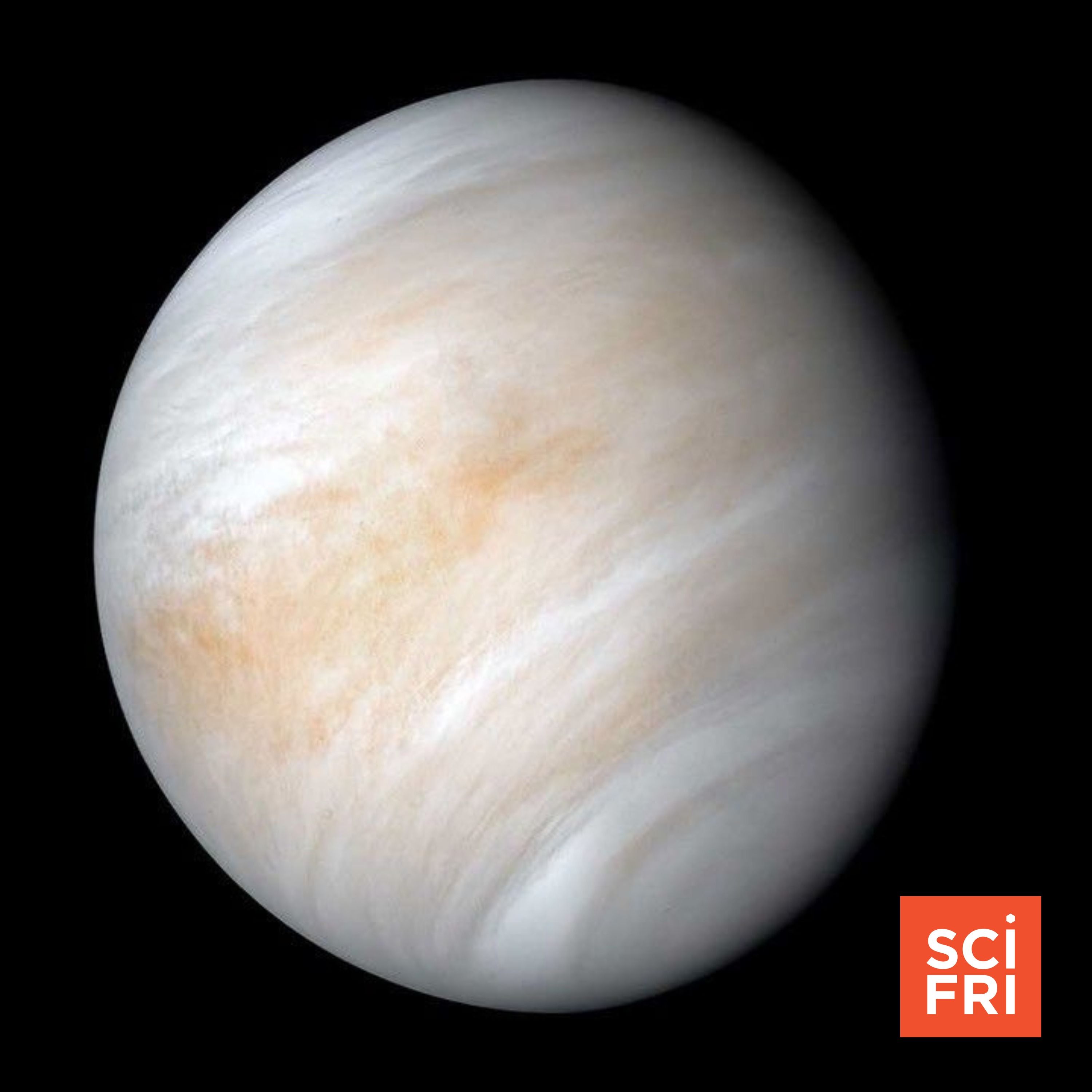
Looking for life in the clouds of Venus
A group of researchers and private investors are planning a series of privately funded missions to Venus, hoping to find signs of life. That may seem...
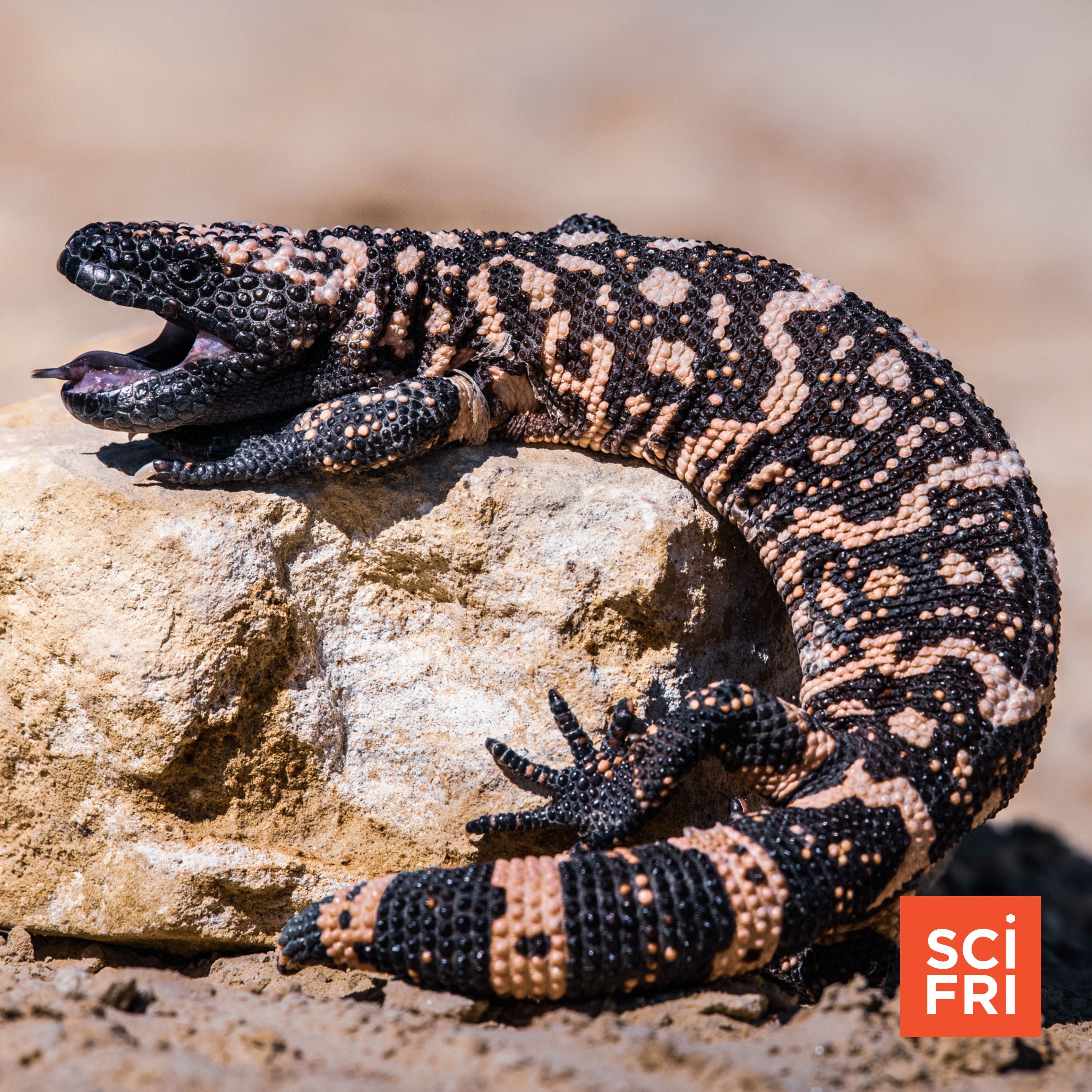
Meet the drug developer taking on wildlife diseases
Many of the forces driving species to extinction—habitat destruction, pollution, climate change—also fuel the spread of disease. And plants and animal...

Can the shingles vaccine stave off dementia?
The benefits of getting a shingles vaccine seem relatively straightforward: It will prevent you from getting shingles, a painful rash caused by the sa...

Inside the Nebraska quarantine facility responding to hantavirus
Two disease outbreaks are dominating the news: Ebola in the Democratic Republic of the Congo, and hantavirus, which started spreading on a cruise ship...
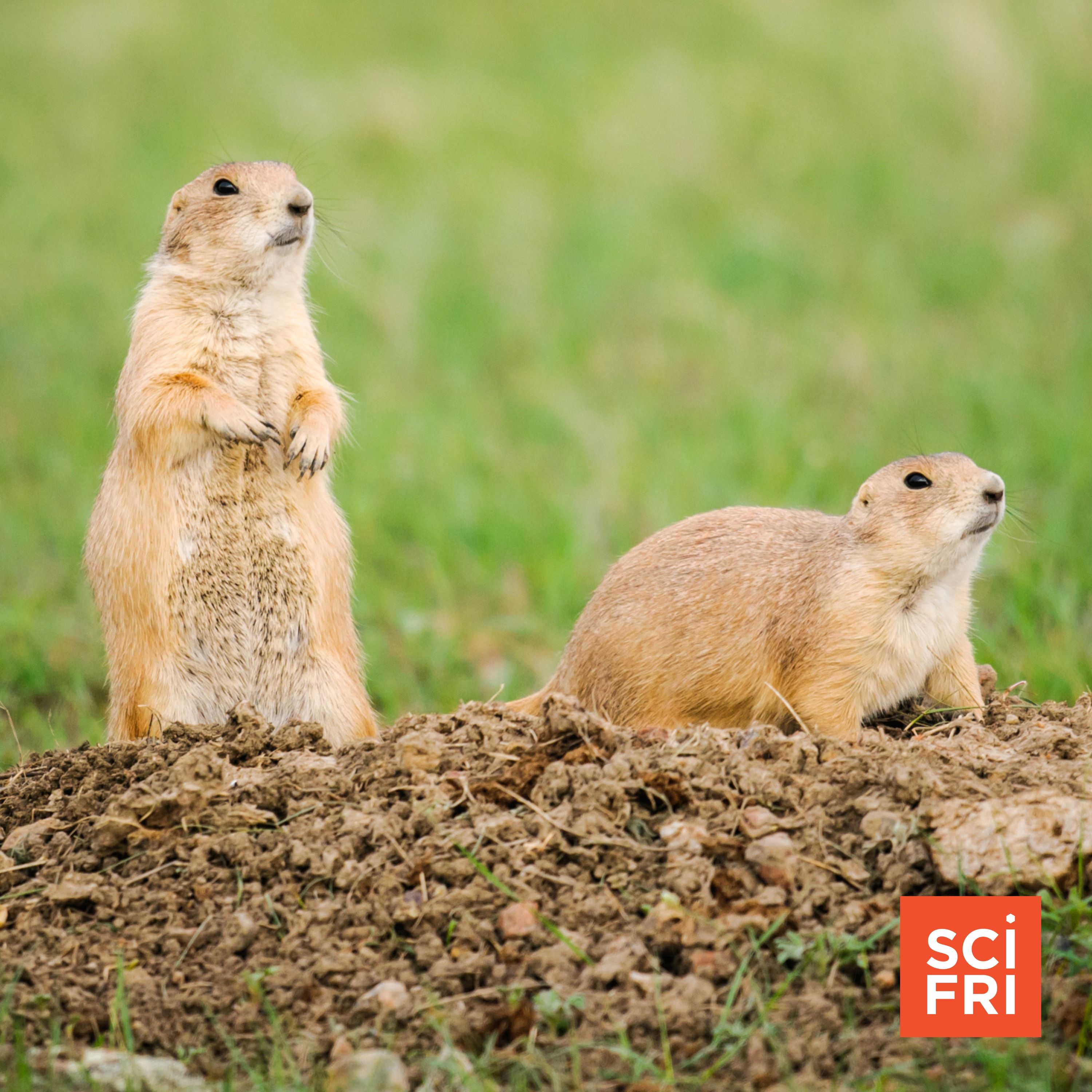
Surveying wildlife along Lewis and Clark's route, 220 years later
When Lewis and Clark crossed the United States in the early 1800s, they recorded their wildlife observations along the way. Now, more than 200 years l...

Pope Leo's encyclical on AI, and the Vatican science advisors
On Monday, Pope Leo XIV presented his encyclical, an open letter from the church, on AI. The 42,000-word document covers a lot of terrain—from screen...